
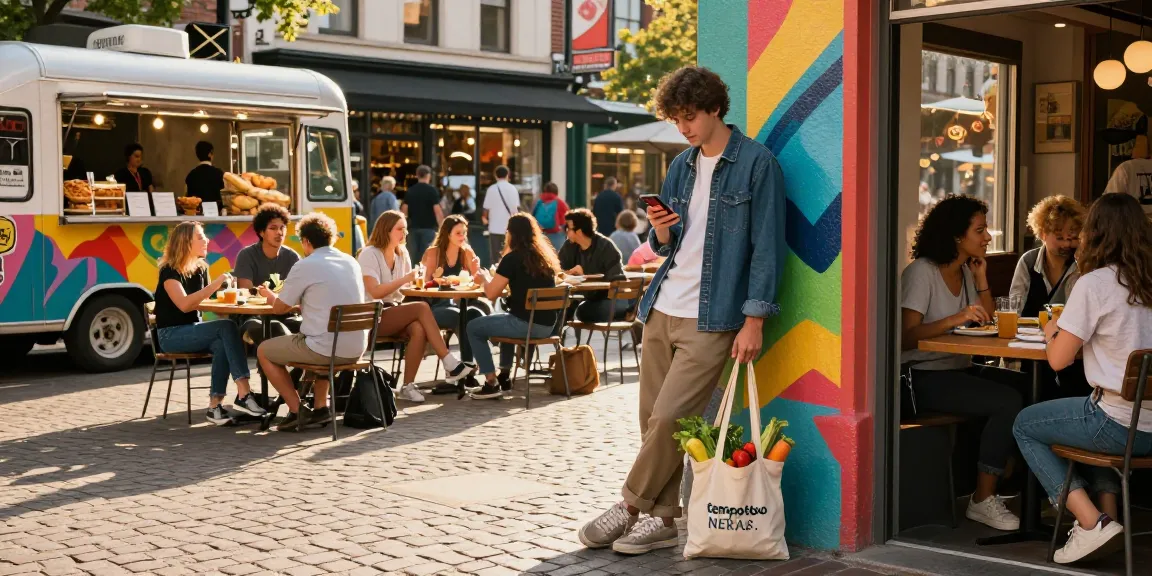
Understanding the Evolution of Urban Shopping Trends
The landscape of urban shopping has undergone a remarkable transformation over the past few decades, influenced by various socio-economic factors and technological advancements. As consumers shift their purchasing habits, it is essential to comprehend how these changes impact the retail environment. The emergence of innovative digital platforms like tempototo has revolutionized the shopping experience, making it necessary for retailers to adapt rapidly to meet consumer expectations.
1. Historical Context of Urban Shopping
Urban shopping has roots that trace back to ancient marketplaces where goods were exchanged in public squares. The evolution of urban shopping spaces—from open-air markets to sophisticated shopping malls—reflects broader economic shifts and cultural trends. In the mid-20th century, the suburban shopping mall emerged, offering a one-stop-shop experience that dramatically changed consumer behavior. As urbanization increased, so did the complexity of shopping venues, leading to the development of both physical and digital marketplaces.
2. The Rise of Digital Platforms like tempototo
With the advancement of technology, digital shopping platforms like tempototo have risen to prominence, offering consumers convenience and accessibility that traditional retail cannot match. These platforms enable shoppers to browse, compare, and purchase products from the comfort of their homes, transforming how urban shoppers engage with local businesses. The integration of mobile applications and e-commerce has also blurred the lines between online and offline shopping experiences.
3. Key Drivers of Change in Consumer Behavior
Several key factors drive the changing behaviors of consumers in urban environments. First, the rise of convenience culture has made instant access to products a priority. Shoppers increasingly expect quick delivery options and seamless transaction processes. Additionally, personalization has become crucial; consumers favor brands that cater to their specific needs and preferences. Lastly, a growing consciousness about social and environmental issues is prompting buyers to support businesses that prioritize sustainability.
Leveraging Technology to Enhance User Experience
As technology continues to evolve, retail spaces can leverage various tools to enhance the shopping experience for urban consumers. The integration of innovative solutions enables businesses to create engaging environments that cater to shopper needs.
1. Importance of Mobile Optimization for tempototo
With a significant percentage of consumers using their smartphones for shopping, mobile optimization has become essential. A seamless mobile experience can significantly influence purchasing decisions, especially for platforms like tempototo, which aim to provide easy access to local businesses. Retailers must ensure their websites and applications are user-friendly, fast-loading, and responsive to different screen sizes.
2. Integrating Augmented Reality in Shopping
Augmented reality (AR) is an exciting technology that can transform the urban shopping experience. By allowing consumers to visualize products in their own environment before purchase, AR can reduce hesitation and increase buyer confidence. Retailers that adopt AR capabilities can create immersive shopping experiences that enhance customer satisfaction and drive sales.
3. The Role of Social Media in Shaping Consumer Preferences
Social media platforms have become influential in shaping consumer preferences and purchasing decisions. Retailers must effectively utilize social media to interact with potential customers, showcase products, and build brand communities. User-generated content, influencer partnerships, and targeted advertising can significantly enhance brand visibility and loyalty among urban shoppers.
Common Challenges Facing Urban Shoppers Today
Despite the advancements in shopping technology, urban shoppers still face several challenges that can hinder their experiences. Understanding these pain points is vital for retailers aiming to maximize customer satisfaction.
1. Overcoming Information Overload
The abundance of information available online can be overwhelming for consumers. With countless products and reviews, shoppers may struggle to make informed decisions. Retailers must find ways to streamline information and present it clearly, helping consumers navigate their choices more efficiently.
2. Balancing Sustainability and Convenience
As environmental awareness rises, consumers become increasingly concerned about sustainability. Urban shoppers seek products that align with their values but may struggle with the perceived inconvenience of these options. Retailers need to balance eco-friendly practices with convenient delivery and purchase methods to attract this conscientious demographic.
3. Navigating Price Sensitivity in Competitive Markets
Price sensitivity is a common hurdle in competitive urban markets. With numerous options available, consumers can easily switch to a competitor offering better prices. Retailers must differentiate themselves not solely through price but by offering added value through quality, service, or loyalty rewards.
Best Practices for Effective Urban Marketing Strategies
To thrive in today’s urban retail environment, businesses must adopt strategic marketing practices that resonate with consumers and enhance engagement.
1. Utilizing Data Analytics to Target Consumers
Data analytics plays a pivotal role in understanding consumer behavior. Retailers can leverage data to analyze purchasing patterns, enabling them to tailor marketing strategies to specific demographics. By utilizing data-driven insights, businesses can optimize their product offerings and promotions to meet consumer expectations.
2. Building Community through Local Collaborations
Collaborating with local businesses can foster a sense of community that resonates with urban shoppers. By promoting local artisans and vendors, retailers can attract customers who appreciate supporting their local economy. Community events and co-branding initiatives can enhance brand loyalty and drive foot traffic to stores.
3. Creating Engaging Content that Resonates
Content marketing is a powerful tool for attracting and retaining customers. By creating engaging and informative content, retailers can build connections with their audience. Blogs, how-to videos, and social media posts that highlight products, customer stories, and shopping tips can enhance brand perception and encourage customer engagement.
Future Predictions: The Next Five Years in Urban Shopping
The retail landscape will continue to evolve rapidly over the next five years. Retailers must stay ahead of the curve to adapt to changing consumer demands and technological advancements.
1. Innovations on the Horizon for Retail Technology
In the coming years, expect to see substantial innovations in retail technology, including enhanced AI-driven tools for customer service and personalized shopping experiences. Businesses will increasingly rely on machine learning to predict trends and consumer preferences, allowing for proactive inventory management and marketing strategies.
2. Shifts in Consumer Values Towards Authenticity
Future consumers will prioritize authenticity and transparency in their shopping experiences. Brands that communicate their values clearly and demonstrate genuine social responsibility will attract loyalty from urban shoppers. Retailers must focus on crafting brand narratives that resonate with the evolving consumer mindset.
3. The Impact of Global Events on Local Shopping Practices
Global events, such as economic fluctuations and pandemics, will continue to shape local shopping practices. Retailers must remain flexible and adaptable to respond to these changes, ensuring they can meet the needs of consumers in uncertain times. Agility in operations and customer relations will be crucial for survival in a dynamic environment.
What are the primary benefits of using tempototo?
Using platforms like tempototo offers several benefits, including streamlined local shopping experiences, access to a diverse range of products, and enhanced convenience. Customers can enjoy personalized recommendations and exclusive offers tailored to their preferences.
How can urban shoppers engage with local businesses through tempototo?
Urban shoppers can engage with local businesses through tempototo by exploring local listings, participating in community events, and utilizing loyalty programs offered on the platform. This engagement fosters a deeper connection between consumers and their local retailers.
What trends are shaping the future of urban retail in 2026?
Key trends influencing urban retail in 2026 will include the integration of advanced technology, a continued focus on sustainability, and a shift towards personalized shopping experiences. Retailers adapting to these trends will find greater success in attracting and retaining customers.
How does tempototo cater to environmentally conscious shoppers?
Tempototo caters to environmentally conscious shoppers by promoting local businesses that prioritize sustainable practices and offering options for eco-friendly products. This emphasis on sustainability aligns with the values of a growing segment of consumers.
What strategies can businesses implement to attract tempototo users?
To attract tempototo users, businesses should focus on optimizing their online presence, offering competitive pricing, and engaging in targeted marketing campaigns. Collaborating with local influencers and utilizing social media platforms can also enhance visibility among potential customers.

