
An Introduction to Sports Broadcasting
Sports broadcasting has become an integral part of the global sports experience, transforming how fans engage with their favorite events. With the rise of digital media, the landscape of sports broadcasting is always evolving. Understanding its journey, the various formats involved, and the key players can enhance one's appreciation of the craft. In this article, we delve deep into the nuances of Sports Broadcasting, offering insights valuable for both newcomers and seasoned professionals.
The Evolution of Sports Broadcasting
The history of sports broadcasting dates back to the early 20th century, with radio broadcasts marking the first major leap. Initially, sporting events were solely available to those who could attend in person. The first radio broadcast of a sporting event occurred in 1921, changing the way enthusiasts consumed sports. Fast forward to the 1950s, and television became the dominant medium, vividly bringing sports into living rooms worldwide.
The introduction of cable and satellite television further revolutionized sports broadcasting in the 1980s, allowing for multiple channels dedicated purely to sports. Today, streaming services are reshaping the industry once again, providing on-demand access and allowing fans to customize their viewing experiences. This ongoing evolution illustrates how technology continuously influences this dynamic field.
Understanding the Different Types of Sports Broadcasting
Sports broadcasting can be categorized into several formats, including:
- Live Broadcasts: These feature real-time transmission of sporting events, crucial for fans looking for immediate updates.
- Recorded Broadcasts: Highlights and recap shows provide fans with key moments from events they may have missed.
- Commentary and Analysis: Expert commentary broadcasts offer in-depth analysis to enhance viewer understanding of the game's intricacies.
- Interactive Broadcasting: With the rise of social media integration, fans can engage in real-time discussions during events, enjoying a richer experience.
Key Roles in Sports Broadcasting
Understanding the key roles in sports broadcasting can offer insight into the complexity of the industry. Essential roles include:
- Commentators: They provide play-by-play descriptions, keeping the audience engaged and informed.
- Analysts: These individuals break down game strategies and player performances, often adding expert insights that enrich the viewing experience.
- Producers: Responsible for the overall flow of broadcasts, they coordinate between various teams to deliver a cohesive viewing experience.
- Camera Operators: They capture the action from various angles, with movements aimed at enhancing the excitement of the broadcast.
Essential Equipment for Sports Broadcasting
Cameras and Audio Equipment
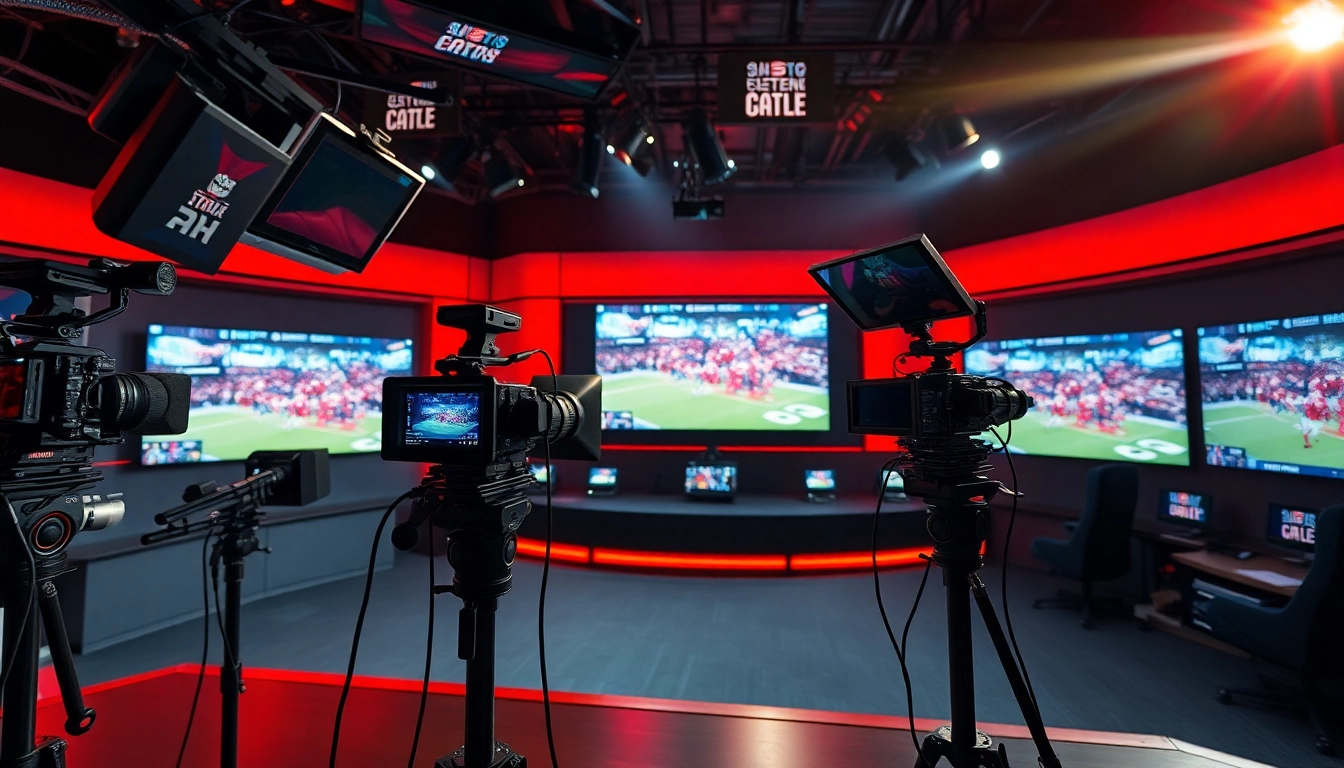
The backbone of any sports broadcast lies in high-quality cameras and audio equipment. Cameras must be capable of capturing fast-moving action in various lighting conditions. Professionals often rely on high-definition cameras capable of frame rates that match sports’ speed.
Audio equipment is equally critical as it ensures that the commentary and the ambient sounds of the event are conveyed clearly. Common setups may include lapel mics for announcers and shotgun mics strategically placed to capture the crowd's energy.
Broadcast Software and Technology
Behind the scenes, various software programs streamline the broadcasting process. From editing software, which allows producers to splice and publish recorded events, to graphics software that produces live scores and statistics, technology plays a crucial role.
With innovations like virtual and augmented reality, many broadcasts now incorporate graphics that enhance storytelling, enabling fans to visualize complex plays or strategies vividly.
Setting Up a Broadcasting Studio
Setting up a broadcasting studio involves several critical steps. First, selecting a space equipped with the necessary infrastructure is essential. This includes soundproofing to minimize noise disturbances and ensuring adequate lighting for video production.
Next, establishing a layout that promotes effective communication among the team members is vital. Desks should be positioned strategically, allowing easy access to equipment while encouraging collaborative discussions during broadcasts.
Techniques for Effective Sports Broadcasting
Storytelling in Sports Broadcasting
Storytelling is a pivotal aspect of sports broadcasting. Engaging narratives around teams, players, and rivalries can enhance audience engagement tremendously. Broadcasters should develop themes that connect with the audience, often drawing historical parallels or using player backstories.
Utilizing compelling storytelling techniques here not only keeps viewers captivated but also fosters a deeper emotional connection to the narrative being presented.
Engaging Your Audience
Engagement is key in sports broadcasting. Broadcasters can increase audience interaction through social media, where fans can submit questions or participate in live polls. Engaging on multiple platforms opens up avenues for conversation and connection, fostering community involvement.
Additionally, broadcasters should consider the use of audience data analytics. By understanding viewing patterns and preferences, they can tailor content to meet audience expectations, thus enhancing the overall viewing experience.
Handling Live Events: Tips and Tricks
Live events pose unique challenges; thus, preparedness is essential. Broadcasters should prepare for unexpected scenarios, ensuring there are contingency plans in place, such as a backup camera or alternative broadcasting methods in case of signal failure.
Moreover, effective communication is vital during broadcasts. Clear protocols for transitions and cueing other team members can mitigate potential mishaps, ensuring a smooth flow of live coverage.
Legal Considerations in Sports Broadcasting
Understanding Copyright and Licensing Issues
Copyright law is integral to the sports broadcasting sector. Broadcasters must ensure they have the proper licenses to air content legally, which often involves negotiations with rights holders. Failing to comply can lead to serious repercussions, including fines and litigation.
Understanding the nuances of intellectual property within sports, such as team logos and player likenesses, is also paramount for avoiding legal pitfalls.
Compliance with Broadcasting Regulations
Compliance with local and national broadcasting regulations is mandatory for all sports broadcasters. These regulations cover various aspects, from content guidelines to advertising rules. Staying updated on these regulations is crucial for maintaining a trustworthy and lawful broadcasting agency.
Negotiating Broadcasting Rights
Negotiating broadcasting rights often involves intricate discussions that can significantly impact a broadcaster’s reach and revenue. Factors such as audience size, sponsorship opportunities, and the platform used for broadcasting all play a vital role in negotiations.
Effective negotiation skills can help broadcasters secure more advantageous deals that ultimately benefit their operations and the fans they serve.
Measuring Success in Sports Broadcasting
Analyzing Audience Metrics
Measuring the success of a sports broadcast is commonly based on audience metrics like viewership numbers, social media engagement, and overall feedback. Tools such as Nielsen ratings or digital analytics platforms provide vital insights into how well a broadcast is resonating with its audience.
Feedback and Improvement Strategies
Feedback from viewers is invaluable. Surveys and social media feedback can reveal what aspects of a broadcast are working and what needs improvement. Conducting regular reviews and adopting viewer suggestions can substantially uplift a broadcast's quality and relevance.
Future Trends in Sports Broadcasting
The future of sports broadcasting promises exciting developments, with advancements like 5G technology set to revolutionize how content is delivered. Moreover, VR and AR are expected to create immersive experiences, allowing fans to engage with sports like never before.
As audiences demand more personalized content, broadcasters will need to adapt, utilizing data analytics to provide tailored viewing experiences that cater to individual preferences.
FAQs About Sports Broadcasting
What is sports broadcasting?
Sports broadcasting involves the transmission of sports events through various media platforms, including television, radio, and online streaming, allowing fans to watch live events or recorded highlights.
How do sports broadcasters obtain rights to air events?
Sports broadcasters negotiate with leagues and event organizers to obtain broadcasting licenses, ensuring they have legal permission to air the content, often involving financial transactions based on viewership potential.
What skills are important for sports broadcasters?
Key skills include communication, analytical thinking, improvisation, and a deep understanding of sports. Familiarity with broadcasting technology and engaging storytelling is also crucial.
How do digital platforms impact sports broadcasting?
Digital platforms have transformed sports broadcasting by enabling on-demand access, offering customized viewing experiences, and fostering increased interaction via social media, enhancing fan engagement.
What are common challenges in sports broadcasting?
Common challenges include technical difficulties, high competition for viewership, and the unpredictability of live events. Successful broadcasters implement robust contingency plans to minimize disruptions.